Edge quality
Plasma
Rougher edge, dross/slag common; often needs grinding
Laser
Clean, square, weld-ready — minimal cleanup
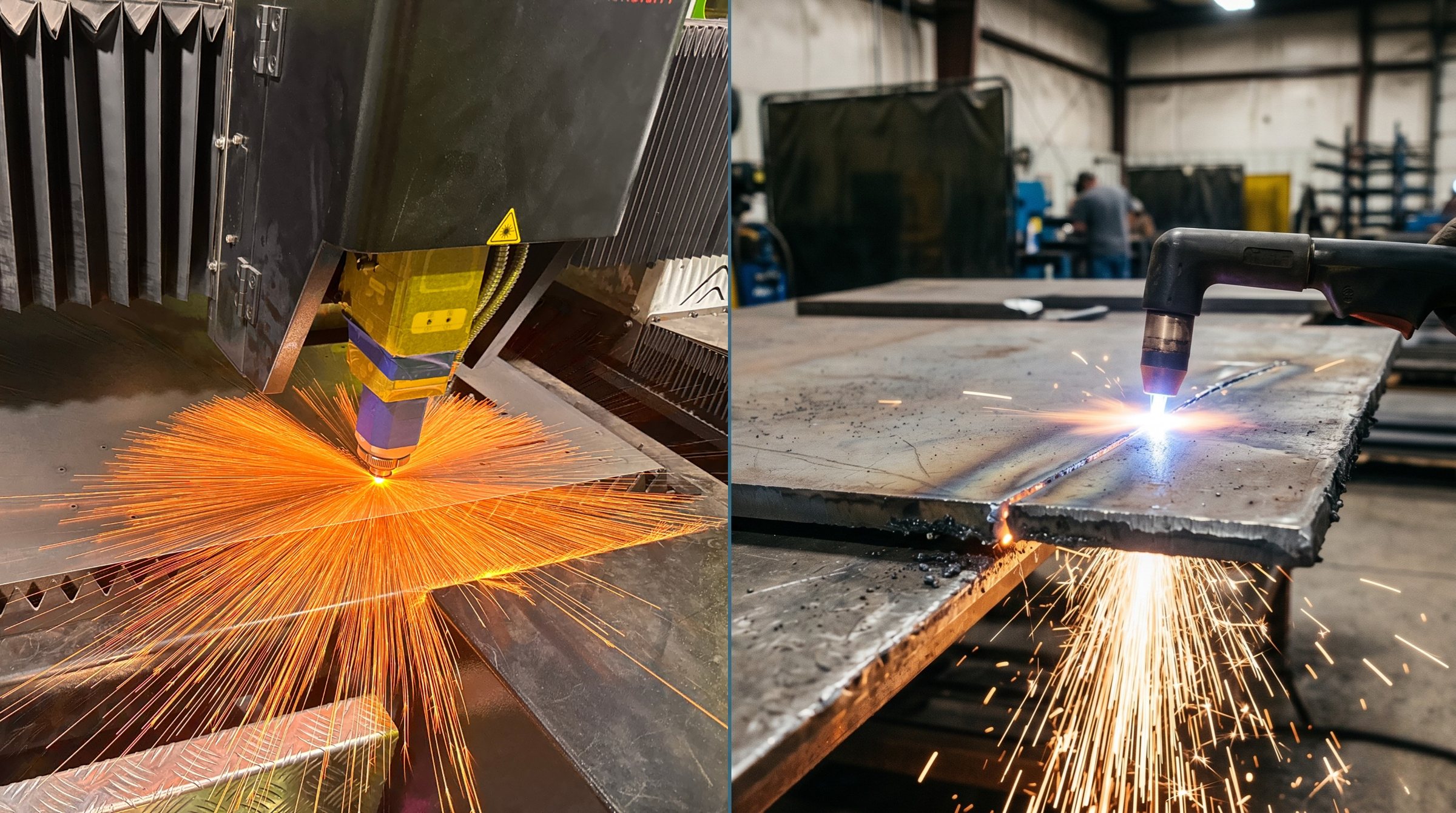
Why precision shops are moving plate and structural work from plasma to fiber laser — edge quality, tolerance, and what each one really costs you downstream.
Fiber laser and plasma both cut steel — but they don't leave the same part. Plasma is fast and inexpensive on thick plate, and it still has its place. Fiber laser gives you a cleaner, squarer, more accurate edge with almost no dross or heat distortion — so parts come off the table ready to weld, with little or no grinding.
This is a technology comparison, not a shop comparison. The question isn't “who” — it's which process fits the part. For precision components, repeatable production, fine detail and weld-ready edges, fiber laser wins on total cost even when the cut itself isn't the cheapest line item.
Rougher edge, dross/slag common; often needs grinding
Clean, square, weld-ready — minimal cleanup
Looser, drifts across a run
Tight and repeatable, part after part
Wide kerf limits small holes & fine features
Narrow kerf — small holes, fine detail, crisp corners
Larger; more distortion on thin material
Minimal; thin sheet stays flat
Deburring/grinding frequently required
Little to none — cut ready to fit & weld
Varies over the batch
Dimensionally identical, first article to production
Fast, low-cost cuts on heavy plate
Precision parts, detail, thin-to-medium, production runs
Fiber laser in action on our floor — tube and sheet, both in-house.
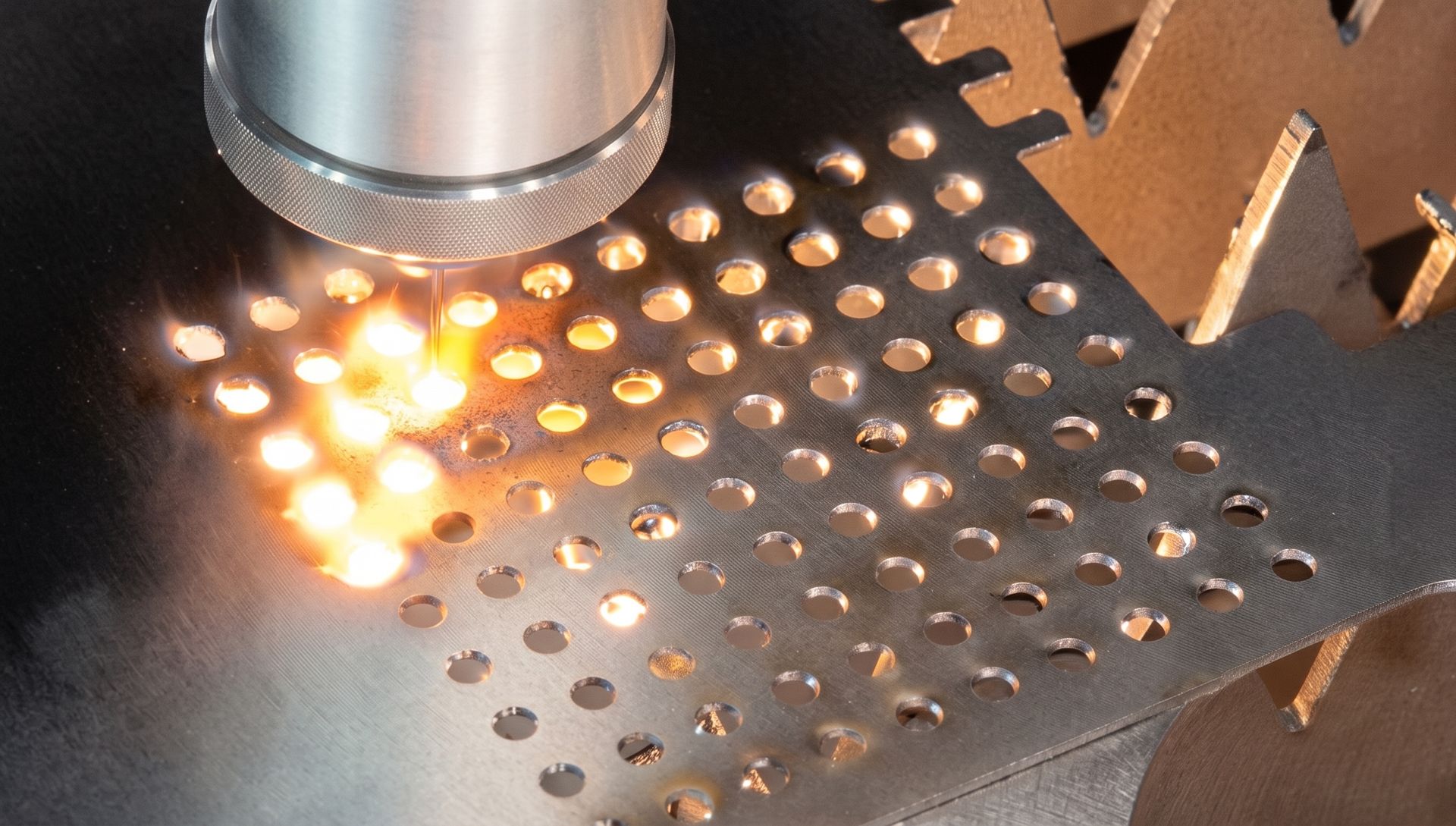
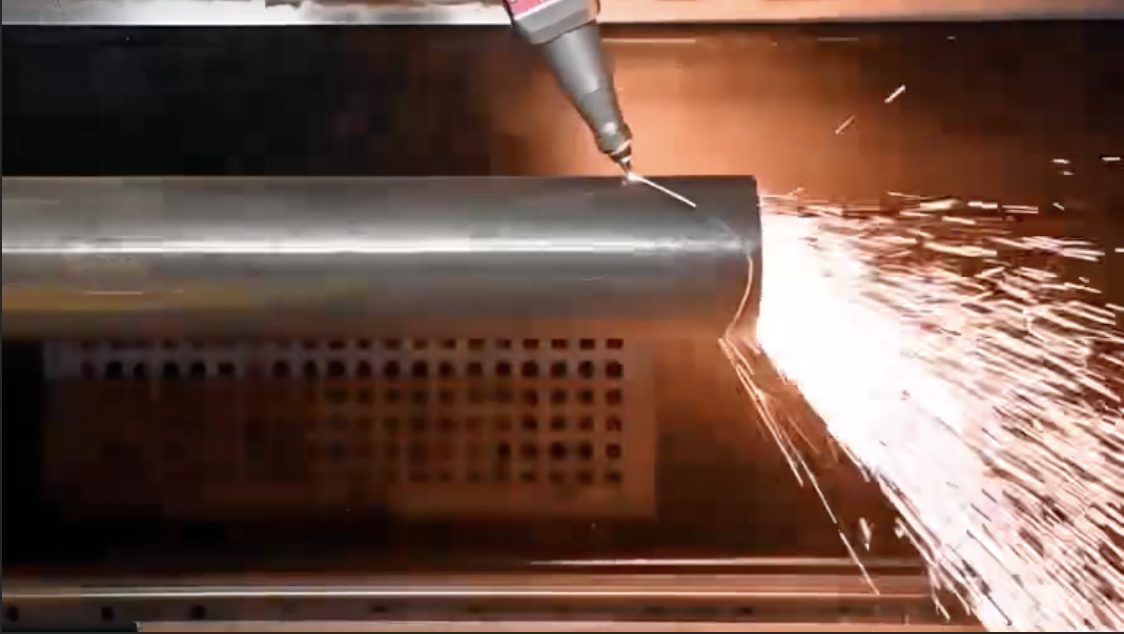
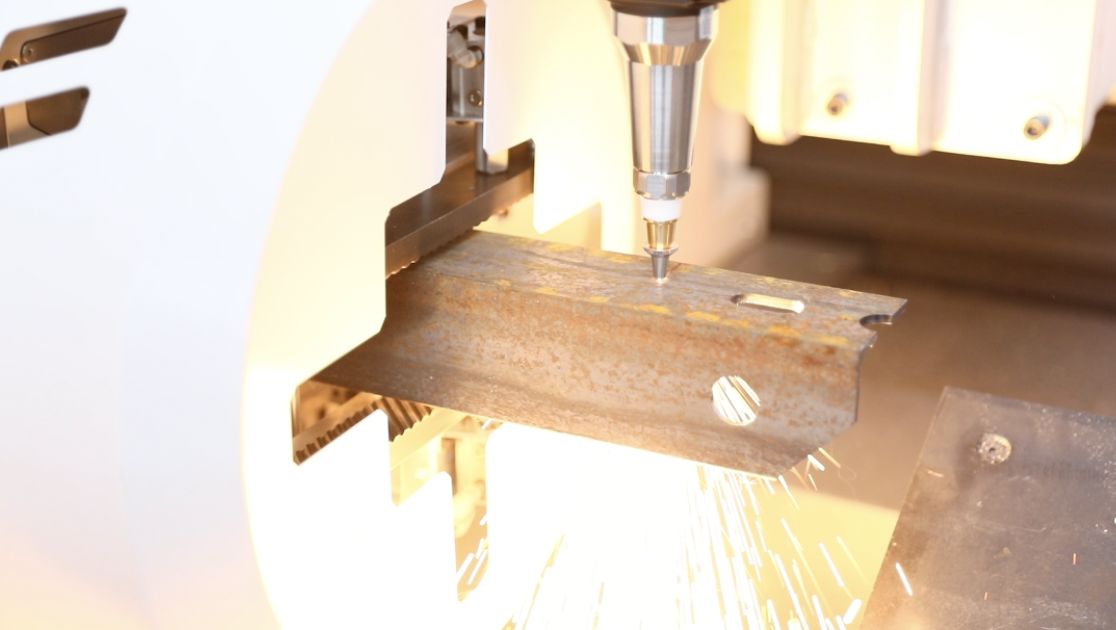
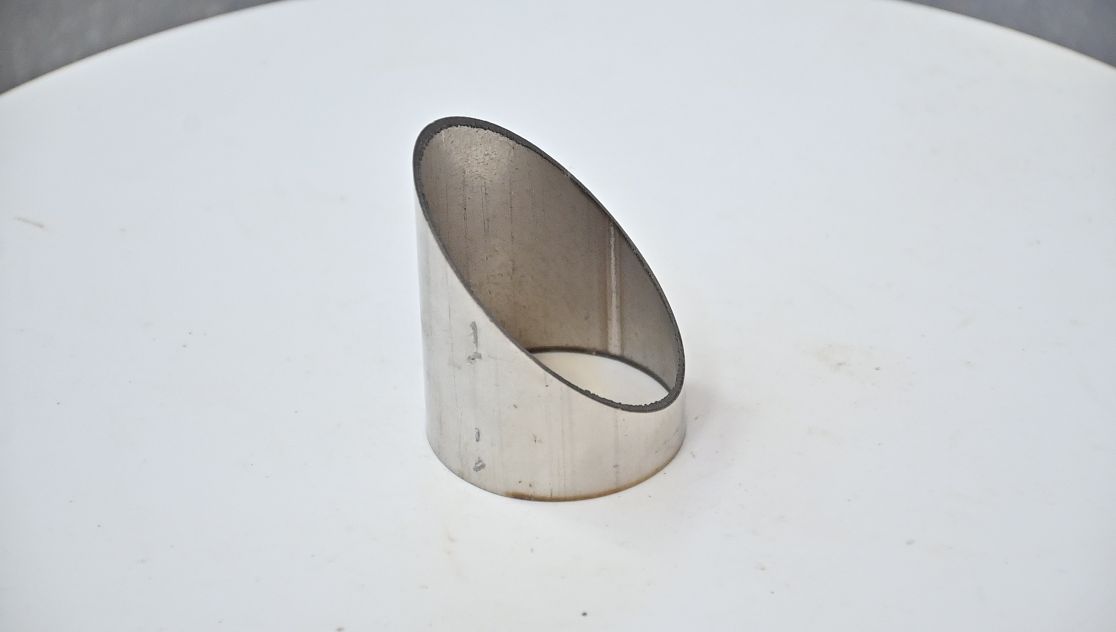
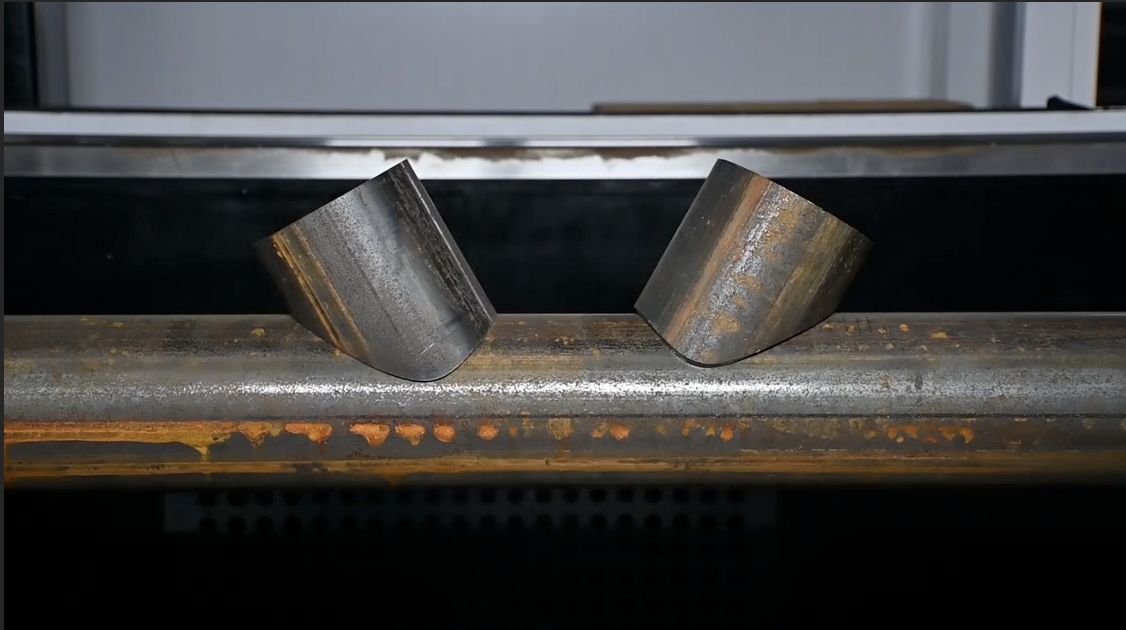
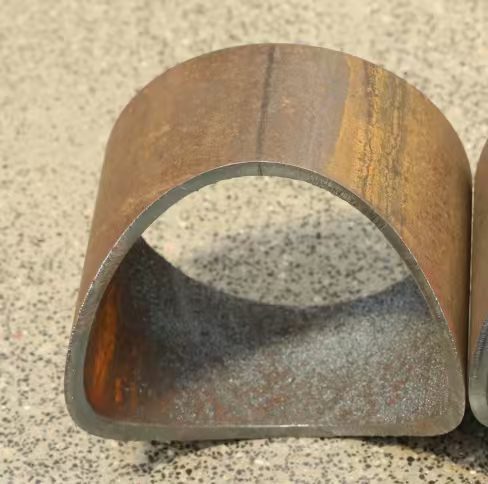
Representative fiber-laser cutting and weld-ready edges from our Alabama facility.
Weld-ready edges cut labor — less grinding and fit-up time on the floor.
Tighter tolerance, fewer rejects — parts fit the first time, every run.
Detail plasma can't hold — small holes, fine features, thin material without distortion.
Not a plasma shop calling itself a laser shop — IMWX runs a 12kW fiber sheet laser, multi-machine tube laser and 3kW robotic laser welding, all in-house.
No — plasma is fast and economical on heavy plate where edge finish doesn't matter. For precision, detail, thin material and weld-ready parts, fiber laser wins on total cost.
Send one file and see the laser difference on your own part — a real fabricator replies within one business day.